Interview guide
STAR method examples for interview questions
Behavioural questions are easier when you have a structure and a set of real stories ready. Here are six worked STAR answers, the mistakes that weaken them, and a template for writing your own.
The STAR method answers behavioural interview questions in four parts: the Situation, the Task you were responsible for, the Action you took, and the Result. Keep the situation and task brief, spend most of the answer on what you personally did, and finish with a clear outcome. The strongest STAR answers come from real examples you prepared before the interview.
In this guide
What is the STAR method?
The STAR method is a simple way to answer questions that ask about your past behaviour, such as "Tell me about a time when..." or "Give me an example of...". Interviewers ask these questions because how you handled a real situation says more than a general claim that you are organised, a good communicator, or calm under pressure.
- Situation: the context. Where were you, and what was happening?
- Task: your responsibility. What needed to be done, and what was your part in it?
- Action: the steps you took. What did you personally decide and do?
- Result: the outcome. What changed because of your actions, and what did you learn?
How to structure a STAR answer
Most weak STAR answers have the right parts in the wrong proportions. They spend a minute on background and ten seconds on what the candidate actually did. A useful rule of thumb:
| Part | How much of the answer | What to include |
|---|---|---|
| Situation | A sentence or two | Just enough context to understand the challenge. |
| Task | A sentence or two | Your specific responsibility or goal. |
| Action | Most of the answer | Your decisions and steps, in order, using "I". |
| Result | A few sentences | The outcome, a measure if you have one, and what you learned. |
Aim for an answer you can say comfortably in about two minutes. If the interviewer wants more detail, they will ask a follow-up question.
Six STAR method examples
These examples are fictional and cover different roles and experience levels. Use them to see the shape of a good answer, then build your own from real events. Do not borrow the details: an interviewer's follow-up questions will quickly expose a story that is not yours.
1. Teamwork: "Tell me about a time you worked well in a team."
Situation: In my final year at university, I was one of four students building a marketing plan for a local not-for-profit, with three weeks until the presentation.
Task: Two members had clashing ideas, and the work had stalled. I was responsible for the research section and wanted the team to agree on a direction.
Action: I suggested we test both ideas against the organisation's brief instead of debating them. I built a one-page comparison of each idea against the client's three stated goals and asked everyone to score them. We chose a combined approach, and I set up a shared task list with owners and dates so progress was visible.
Result: We presented on time, and the not-for-profit adopted two of our recommendations for its next campaign. I learned that shifting a disagreement onto shared criteria is often faster than trying to win the argument.
2. Conflict: "Describe a disagreement with a colleague and how you handled it."
Situation: As a practice coordinator at a busy medical clinic, I noticed tension between reception and the nursing team over how same-day appointments were being booked.
Task: Nurses felt overloaded late in the day, and reception felt blamed. I needed to fix the booking process without either team feeling singled out.
Action: I met each team separately to hear their side, then pulled two weeks of booking data to see when the pressure actually occurred. I brought both groups together with the data rather than the complaints, and we agreed to hold back a small number of afternoon slots for urgent cases. I checked in with both teams weekly for the first month.
Result: Late-day overruns dropped noticeably over the following month, and the weekly check-ins were no longer needed. Both team leaders asked me to use the same approach for a later rostering issue.
3. A mistake: "Tell me about a time you made a mistake."
Situation: In my first year as a junior analyst, I sent a weekly sales report to regional managers that used the wrong date range.
Task: One manager had already made a staffing decision based on it. I needed to correct the report quickly and stop it happening again.
Action: I told my manager as soon as I found the error, then sent a corrected report to every recipient with a short note explaining what had changed. I called the regional manager directly to walk through the correct figures. Afterwards, I added an automatic date check to the report and a two-minute review step before each send.
Result: The staffing decision was adjusted the same day, and the report has not had a date error since. It taught me to raise problems early; owning the mistake quickly made it much easier to fix.
4. Leadership: "Give an example of when you led without formal authority."
Situation: Our software team's code reviews were taking several days, which slowed every release.
Task: I was not a team lead, but I wanted to shorten review time without adding pressure on anyone.
Action: I tracked review times for a fortnight to understand where the delays happened, and found most were caused by very large changes. I proposed smaller pull requests and a daily fifteen-minute review slot, trialled it myself for two weeks, and shared the results at our retrospective. I then wrote a short guide for new starters.
Result: The team adopted the approach, and reviews routinely finished within a day. My manager later asked me to mentor two graduate engineers, partly because of how I had led the change.
5. Pressure: "Tell me about a time you worked to a tight deadline."
Situation: Two days before a large corporate event, the venue I was coordinating for cancelled because of a burst water pipe.
Task: I had to find a new venue and move 180 guests without losing the event or blowing the budget.
Action: I split the problem into venue, communication, and suppliers. I called five venues from our preferred list that morning and secured one within budget by moving the start time by an hour. I drafted the guest update for the client to approve, rebooked the caterer and audio-visual supplier, and kept a single shared checklist so the client could see progress hourly.
Result: The event went ahead on the original date, and the client booked us for their next two events. I now keep a backup venue shortlist for every large booking.
6. Customer focus: "Describe a time you dealt with a difficult customer."
Situation: While working as a retail supervisor, a customer came in upset because a special-order item had arrived damaged for the second time.
Task: I needed to resolve the problem and keep the customer, who had been shopping with us for years.
Action: I listened without interrupting, apologised, and acknowledged that it was our problem to fix. I checked stock at nearby stores, found an undamaged item, and arranged a transfer for the next day. I inspected it myself on arrival and called the customer to confirm before they made the trip. I also reported the packaging issue to our supplier with photos.
Result: The customer collected the item the next day and thanked the team in a review. The supplier changed its packaging for that product line.
Common STAR method mistakes
- Saying "we" throughout. Interviewers want to know what you did. Credit the team, then be specific about your part.
- A long situation. If the background takes more than a sentence or two, the interviewer loses the thread before the action starts.
- No result. An answer that ends with what you did leaves the interviewer guessing whether it worked.
- Invented numbers. Only quote figures you can explain. A specific, honest outcome is stronger than a precise-sounding guess.
- The wrong story. A good story that answers a different question still misses. Listen for the skill being tested.
- Reciting a script. Prepare the points, not the exact words, so the answer still sounds like you.
A STAR story template
Write each story out once in this format. You will not read it aloud, but writing it forces you to find the specific actions and results that make an answer convincing.
- Title: a short name you will remember, such as "Venue cancellation".
- Situation: one or two sentences of context.
- Task: what you were responsible for.
- Action: three to five specific steps you took, in order.
- Result: what changed, how you know, and what you learned.
- Skills it shows: for example problem-solving, stakeholder management, or attention to detail.
- When it happened: the month and year, so you can place it in your career history.
Build a STAR story bank before the interview
Most behavioural questions test a small set of themes: teamwork, conflict, problem-solving, leadership, pressure, mistakes, and customer or stakeholder focus. Six to eight well-prepared stories can usually cover them, because one strong story often answers several questions.
- List the main requirements in the job description.
- For each one, note a real situation that shows it.
- Write each situation out using the template above.
- Tag each story with the skills it demonstrates.
- Before each interview, choose the stories that best fit that role.
A story bank also helps beyond the interview. The same examples can strengthen resume bullets and give a cover letter specific evidence instead of general claims.
What if you do not have a perfect example?
You do not need a dramatic story. Examples from study, volunteering, sport, casual work, or community roles are valid, especially early in your career. If you genuinely have not faced the situation, say so briefly, then describe the closest experience you have and how you would approach it. An honest, well-reasoned answer is better than a borrowed story that falls apart under follow-up questions.
How NextOrbit helps you prepare STAR answers
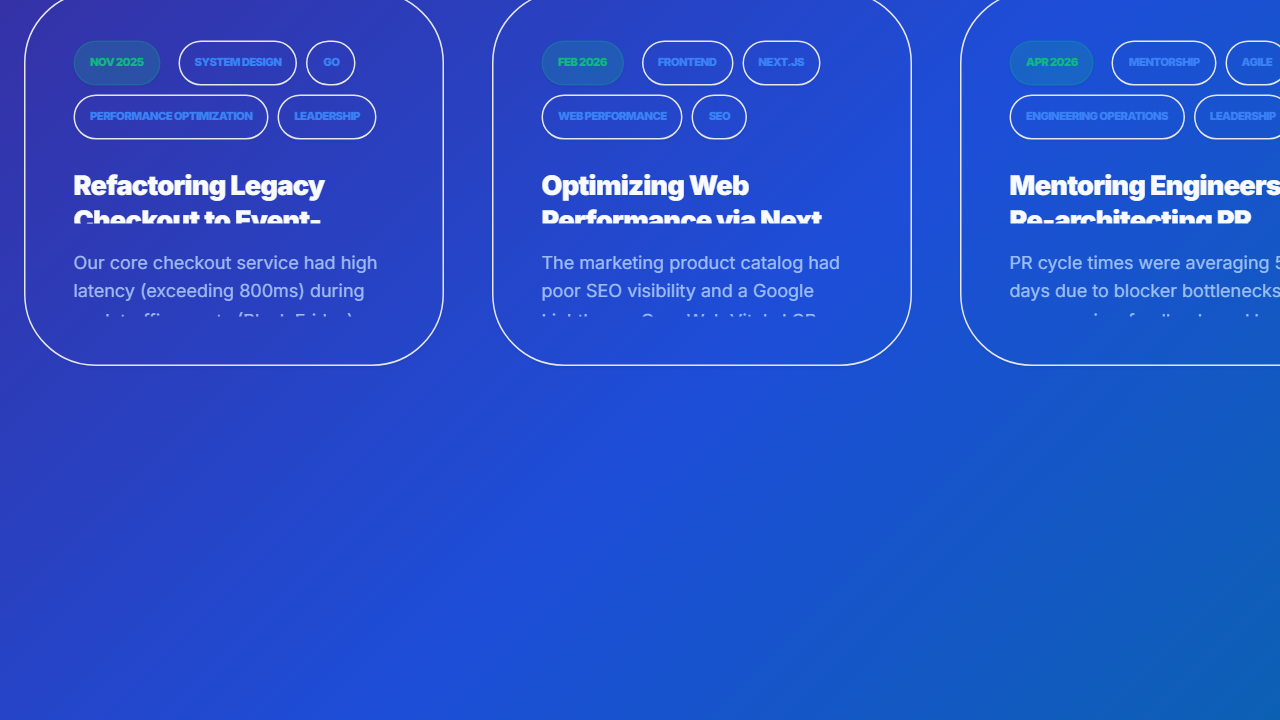
NextOrbit keeps your STAR Stories in one vault, each with a title, the four STAR fields, skill tags, and a date. When an application reaches the Interview stage, NextOrbit matches the stories from your vault that best fit the role, predicts likely questions from the job description, and gives feedback on the answers you draft. It only selects from stories you have written.
Prepare for your next interview
Match your STAR stories to the role
Save your stories once, then prepare for each interview from the same job description and evidence you used to apply.