Responsible AI guide
How to use AI to tailor a resume without inventing experience
AI can accelerate comparison and drafting. It should not decide what is true. The safest workflow starts with real evidence, makes gaps visible, and ends with careful human review.
Use AI to tailor a resume by giving it a specific job description, an accurate source resume, and verified career evidence. Ask it to compare before drafting. Tell it not to add skills, employers, qualifications, metrics, or outcomes that are absent from your source material. Then review every change as if you were explaining it to an interviewer.
Where AI is genuinely useful
Resume tailoring involves several tasks that AI can help with:
- extracting responsibilities, capabilities, and terminology from a long job description;
- comparing those requirements with an existing resume;
- surfacing relevant experience that is currently buried or weakly described;
- suggesting clearer structures and alternative wording;
- checking whether the final document addresses the role consistently; and
- helping adapt the same evidence for a cover letter or interview preparation.
These uses are strongest when AI works from a reliable evidence set. A thin source resume gives the model less truth to work with and more room to make plausible but unsupported assumptions.
Where AI creates risk
AI-generated resume content can sound confident even when it has misunderstood context or invented detail. Watch for:
- metrics you never provided;
- tools or skills inferred from a job title;
- leadership responsibility exaggerated beyond your actual role;
- qualifications described as completed when they are in progress;
- industry terminology applied to experience from a different context;
- generic phrases that erase your voice; and
- claims optimised for the vacancy but difficult to defend in an interview.
If you would hesitate when an interviewer asks, "Tell me exactly what you did," the statement is not ready for your resume.
An evidence-first AI resume workflow
1. Build a reliable source record
Start with accurate employment dates, job titles, responsibilities, qualifications, skills, projects, achievements, and outcomes. Add context that may not fit your general resume but could matter for a future role.
A career evidence bank can include:
- achievement statements with verified results;
- STAR Stories covering situation, task, action, and result;
- project scope and stakeholder groups;
- platforms, methods, and regulatory environments you have actually used;
- recognition, feedback, or documented improvements; and
- transferable experience from volunteering, study, or independent work.
2. Analyse the role before asking for a rewrite
Ask AI to separate essential requirements, key outcomes, preferred capabilities, tools, and behavioural expectations. Then inspect that analysis yourself. Job descriptions can be vague or internally inconsistent, and a model may assign importance differently from the employer.
3. Create an evidence map
For each important requirement, connect one or more verified examples. Use three labels:
- Strong evidence: directly demonstrated with a clear example.
- Transferable evidence: demonstrated in a related context that requires explanation.
- Gap: not supported by the information available.
Do not generate around a gap. Decide whether you can add genuine omitted evidence, explain transferability, or accept that the requirement remains unmet.
4. Give the model explicit boundaries
Useful instructions are specific. For example:
Tailor this resume to the job description using only facts in the resume and evidence notes. Do not add or infer employers, qualifications, skills, tools, metrics, budgets, team sizes, responsibilities, or outcomes. Flag unsupported requirements as gaps. Preserve Australian English and use direct, natural language.
A boundary does not guarantee perfect output, but it gives you a clear standard for reviewing it.
5. Draft in small, reviewable stages
Instead of replacing the entire resume at once, work section by section:
- Choose and order the most relevant achievements.
- Revise the professional summary.
- Improve the strongest experience bullets.
- Align the skills section.
- Remove weak or repetitive detail.
- Review the completed document as a whole.
Smaller changes make unsupported additions easier to notice and preserve more of your original voice.
6. Run a claim-by-claim verification
For every changed statement, ask:
- Where did this fact come from?
- Is the scope accurate?
- Is the result documented or honestly estimated?
- Does the wording overstate ownership or seniority?
- Could I give a concrete example if challenged?
- Does this still sound like me?
7. Complete a human readability and ATS review
Check structure, text extraction, spelling, relevance, and consistency. Our ATS-friendly resume guide provides a practical checklist. Keep the final version connected to the job description so you know exactly what was submitted if the employer calls.
What not to send to an AI tool
Before using any AI service, understand its privacy terms and your own obligations. Avoid sharing information you do not need for the task, such as government identifiers, bank details, medical information, confidential employer data, client secrets, or personal information belonging to other people.
Replace sensitive details with neutral placeholders where possible. Review the service's current privacy and data controls rather than assuming all AI tools handle information in the same way.
Keep the application human
AI-generated language can become polished but interchangeable. Restore the details that make the application credible:
- specific examples and decisions;
- your actual scope and constraints;
- the language you would naturally use;
- why this role and employer make sense for you; and
- evidence that connects your experience to the work.
National Careers Week's Australian guide to using AI in job applications also emphasises ethical practice and the importance of keeping the candidate's own experience visible.
How NextOrbit supports this process
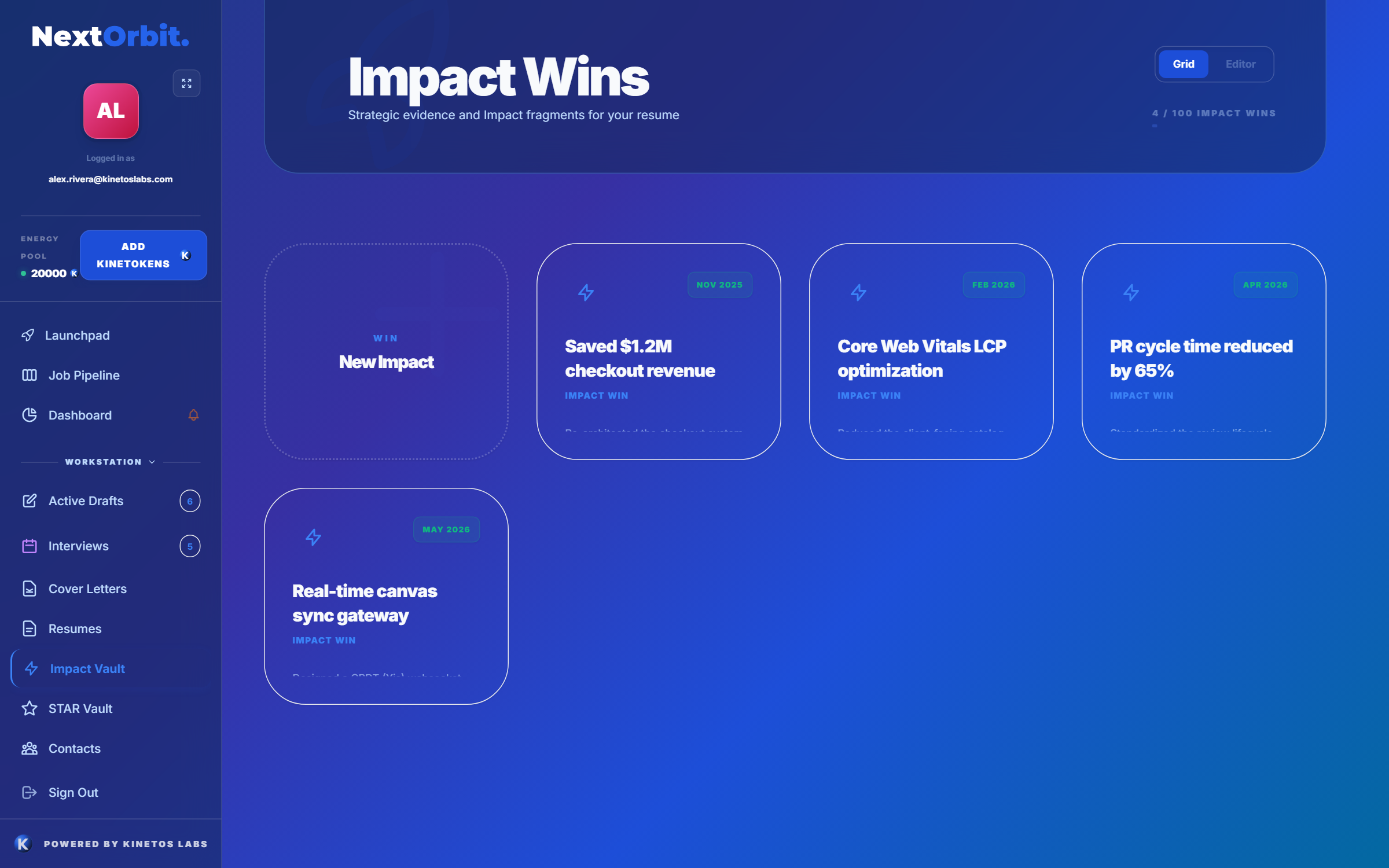
NextOrbit is designed around evidence before generation. The job description, source resume, Impact Wins, STAR Stories, tailoring insights, draft documents, ATS-style review, and final application remain connected to one role.
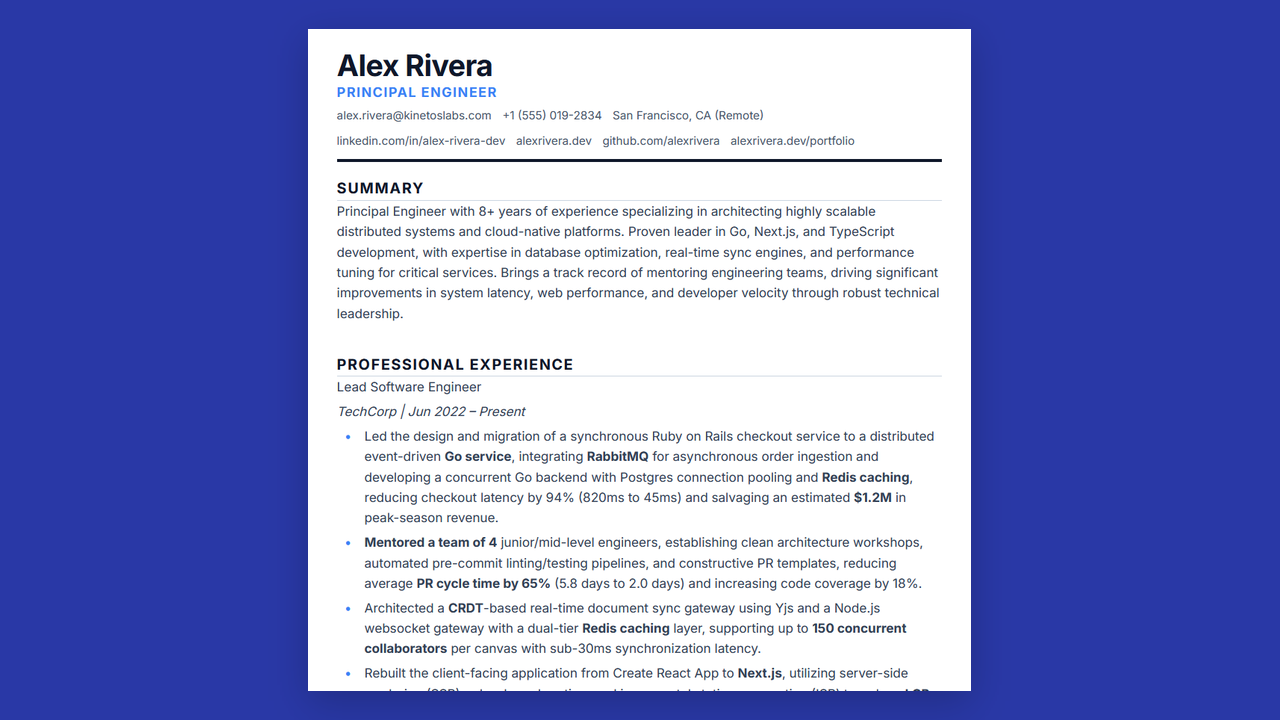
You can see gaps before drafting, add genuine evidence when it exists, edit the tailored resume in the Studio, and keep the submitted version ready for interview preparation.
Evidence-grounded tailoring
Use AI with the role and your real career evidence connected
NextOrbit gives every serious application one workspace for analysis, tailoring, review, and preparation.